

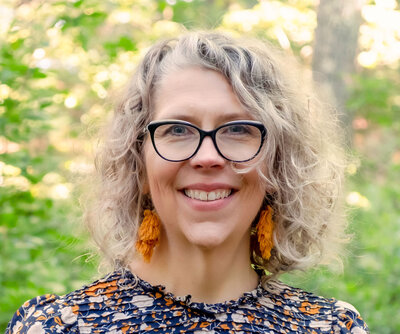




From the origin story of their businesses to the ways they allowed themselves to grow as entrepreneurs, our Female Founders series gives a view into the lives of successful women from a variety of industries. Join us for today’s feature, Vicoria Wiley, offering a behind the scenes look at some of what she has done to succeed so far, advice for those starting off, and plans for the future.
What’s your business and how did you get started?
I own a boutique law firm, Victoria Wiley Law LLC, that provides purpose‑driven businesses, entrepreneurs, and nonprofits with high‑quality legal support designed to protect what they are building. When I entered law school, I, like many students, hoped to make the world a better place. I thought I would find these opportunities in civil rights or family law, but instead I found my passion in business and corporate law. Upon passing the bar, I served as counsel to large corporations, advising on deals, employment matters, regulatory requirements, IP protections, and sustainability and diversity initiatives.
For years, I saw meaningful opportunities for corporations to leverage their wealth and influence to make environmental and social progress, and I was able to apply my legal skills to this work.
But after nearly a decade as a corporate attorney, I became incredibly frustrated and disillusioned with corporations’ lack of progress on environmental responsibility and social justice. Sustainability initiatives fell to the wayside, and taking a stand on social issues became viewed as a liability. The aspects of my work that once fulfilled me dwindled and disappeared. Slowly, it became clear that even though corporations had the power to bring about meaningful change, that change was not coming from within.
After months of reflection about what I wanted next out of a career, I reached a point where I was no longer willing to wait on others to create an opportunity that aligned my skills with my values. So, I decided to create it for myself.
In 2025, I walked away from the corporate world to build a law firm that reflected my values. I launched Victoria Wiley Law to provide accessible legal services to founders committed to doing business differently and making positive changes in their communities. Now, my work focuses on trademark protection that grows with a business, contract drafting and negotiation that incorporates legal protections and founders’ core values, and ongoing legal counsel that helps my clients scale sustainably.
What is one thing you’re really proud of that you’ve created or accomplished?
I’m incredibly proud of creating a law practice that is accessible and transparent. The traditional law firm model is built around hourly billing, which can result in unpredictable invoices and services that don’t always reflect clients’ needs. When I decided to start my own firm, I knew I wanted to do things differently: I never wanted clients to worry about surprise bills or hesitate to send me a quick question because they were concerned about how much the answer would cost. I refused to open my doors until I had built a sustainable, accessible, and transparent flat‑fee pricing model for all of my services.
Flat fees are still somewhat unconventional in the legal world, and choosing to price my services this way means I often make less than I would if I billed hourly. I’m proud that I chose to offer accessibility and predictability to my clients rather than blindly follow traditional norms.
What’s your favorite thing about being a business owner?
My favorite part of being a business owner is having the autonomy and flexibility to decide how I run my firm and the kind of work I choose to take on. Practicing law in the corporate world, where my values were often pushed to the sidelines and I had little control over my work, was physically and psychologically taxing. Now, I get to honor both my health and my values by operating in a way that reflects my commitment to sustainability, compassion, and belonging, and by working with clients who share those commitments.
What is the boldest thing you’ve ever done in business?
The boldest thing I’ve done in business was choosing to build from scratch during a period of intense burnout and debilitating chronic illness. When I left the corporate world, my health was at an all‑time low. I knew that I needed to reconnect with my “why” if I wanted to create a lasting business and reclaim my health. Instead of prioritizing profit from day one, I dedicated the first few months of my firm to building a pro bono practice and designing a business model that was flexible enough to allow me to focus on both community impact and my personal well‑being.
Most businesses seek to maximize revenue from day one, but I knew that financial success was not all I wanted out of running my own firm. As I built, I carved out time to volunteer with legal aid clinics and to advocate for stronger environmental and animal protection legislation. I also ensured that my schedule was structured in a way that prioritized my health. In our society, it’s hard to say no to profit first, but it is far more rewarding for me to have a business that supports me holistically.
What’s one thing you’re currently excited about for the future of your business?
I’m looking forward to expanding into educational offerings. One of my favorite parts of being a lawyer is guiding clients through confusing or intimidating legal processes. After working closely with founders during my first year in business, I’ve learned what they find overwhelming, what they want to handle themselves, and where they need tailored support. This has motivated me to seek out more opportunities to educate business owners. I’m working on hosting workshops and developing guides and templates to help entrepreneurs better understand the legal aspects of running a business. Ultimately, this expansion feels like a natural extension of my work that can empower far more people than those I work with one‑on‑one.
What’s your best business advice you would give to other women?
There is no perfect time to start a business. There will always be financial uncertainty, time constraints, and things you don’t know yet. But that doesn’t mean you can’t prepare. Do your research, understand the risks, and take steps to mitigate them. And when you’ve done that, just begin!